
Our Blog
Welcome to the Cornerstone Landscapes Blog – your go-to resource for expert landscaping tips, ideas, and inspiration! Whether you’re looking to enhance your outdoor space, learn about the latest trends in landscaping, or discover how to maintain a lush, healthy yard, we’ve got you covered.
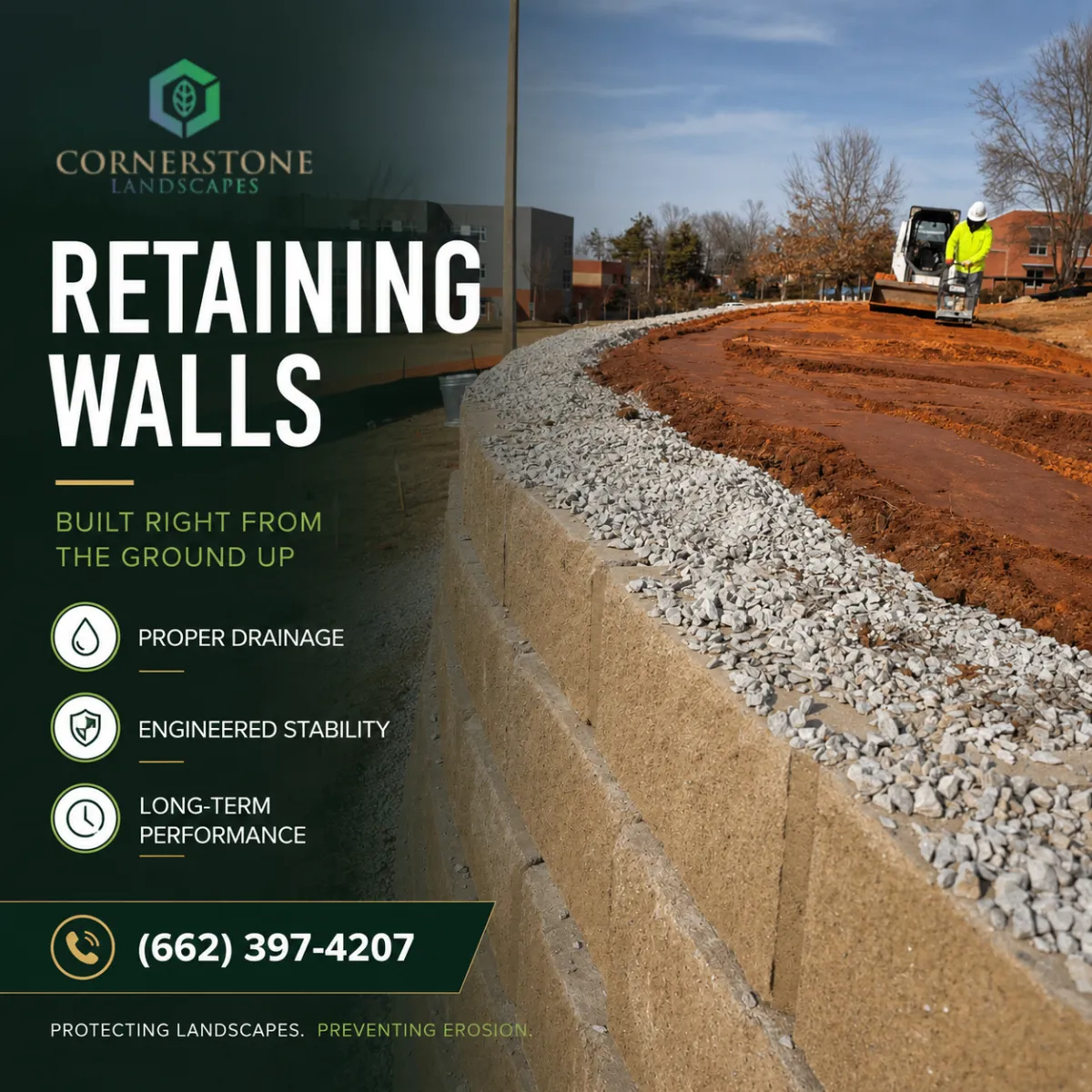
Retaining Walls: Essential Drainage Tips

Home Improvement, Retaining Walls, Drainage
Retaining Walls and Drainage: What Every Homeowner Needs to Know
A retaining wall can transform a sloped, unusable yard into flat, beautiful outdoor spaces—but without proper drainage, it can quickly become a cracked, leaning, or even failing structure. Understanding how drainage works will help you protect your investment and your property.
Why Retaining Walls Need Drainage in the First Place
At its core, a retaining wall is holding back soil that naturally wants to move downhill. When rain or irrigation water soaks into that soil, it adds weight and creates hydrostatic pressure—the outward push of trapped water. If that water has nowhere to go, pressure builds up behind the wall and can cause:
Bulging or bowing in the middle of the wall
Cracks between blocks or in concrete surfaces
Leaning or tilting away from the soil it is supporting
In severe cases, partial or complete wall failure
Proper drainage is about relieving that pressure. Instead of letting water build up, a well‑designed wall system collects it, moves it away, and releases it safely. This not only protects the wall itself but also helps prevent soggy lawns, erosion, and water seeping toward your foundation or basement.
The Building Blocks of Good Retaining Wall Drainage
Whether your wall is made of concrete blocks, poured concrete, natural stone, or timber, the basic drainage principles are the same. A long‑lasting retaining wall usually includes several key components working together behind the scenes.
1. Free‑Draining Backfill Material
Instead of packing regular soil directly behind the wall, professionals typically use a band of gravel or crushed stone—often 12 to 24 inches thick. This “backfill zone” allows water to flow freely down to the drainage pipe instead of getting trapped in dense clay or compacted dirt.
2. Perforated Drain Pipe (French Drain)
Near the base of the wall, inside the gravel backfill, you will often find a perforated drain pipe running the length of the wall. This pipe collects water that seeps down through the gravel and carries it to a safe discharge point, such as:
Daylight at the end of a slope (where the pipe exits on the surface)
A dry well or gravel pit away from structures
A storm drain connection, where allowed by local codes
3. Weep Holes or Built‑In Gaps
Some walls, especially solid concrete ones, include weep holes—small openings near the base that allow water to escape through the face of the wall. Segmental block walls (the interlocking concrete blocks you often see in yards) are usually designed to let a small amount of water pass through joints or built‑in gaps. These features give water an easy exit instead of letting it accumulate.
4. Geotextile Fabric to Keep Soil in Place
To prevent fine soil particles from washing into the gravel and clogging the system, contractors often wrap the backfill or separate it from native soil with geotextile fabric. Think of it as a filter: water can pass through, but soil stays put. This helps your drainage system keep working for years instead of slowly filling up with mud.
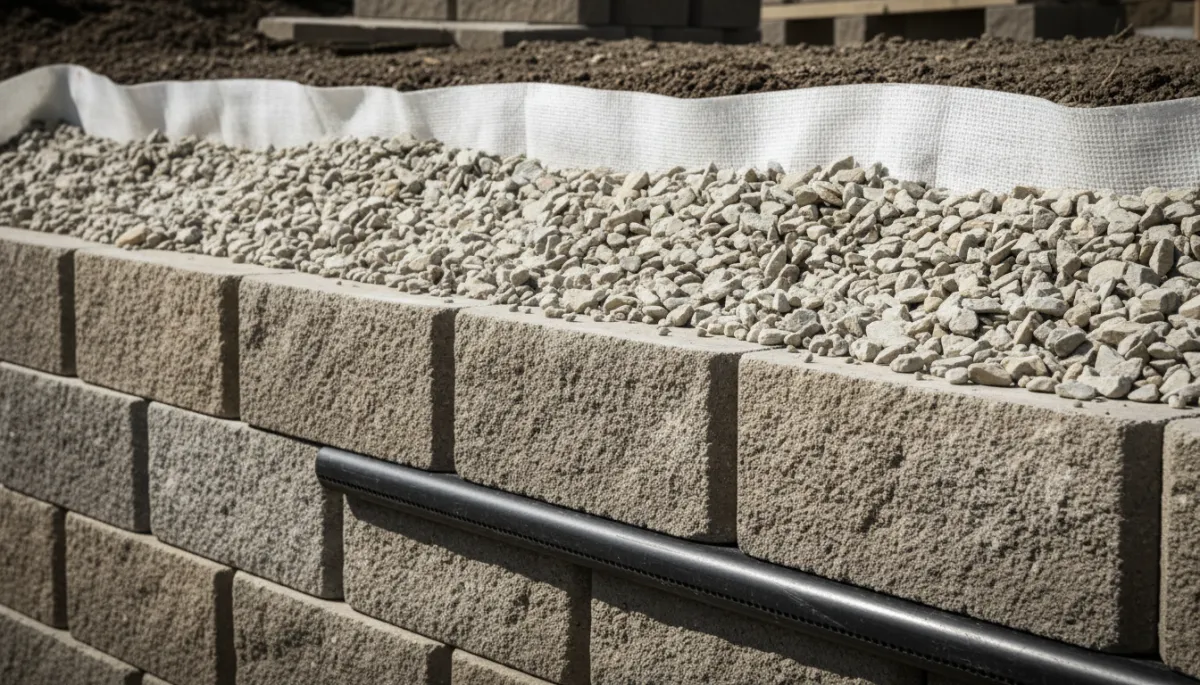
Hidden gravel, pipe, and fabric do most of the work keeping walls stable.
Surface Drainage: Managing Water Before It Reaches the Wall
Good drainage is not only about what happens behind the wall; it also involves how water moves above it. If roof downspouts or yard slopes send large volumes of water toward your retaining wall, even a well‑built system can become overwhelmed over time.
Redirect downspouts so they discharge well away from the wall, ideally downhill from it.
Grade the soil on top of the wall so it slopes gently away, encouraging water to run off instead of pooling at the edge.
Consider surface drains or swales if a large area drains toward the wall, especially on bigger hillsides.
💡 Pro Tip: After a heavy rain, walk your property and watch where water naturally flows. Any streams heading straight for your retaining wall are early warning signs that surface drainage needs attention.
Signs Your Retaining Wall Has Drainage Problems
You do not need to be an engineer to spot early trouble. Regularly check your wall for:
Damp, mossy, or stained areas that stay wet long after rain stops
Soil washing out from behind or beneath the wall
Small sinkholes or depressions forming near the top of the wall
Blocks that have shifted, cracked, or started to lean
Catching these issues early can mean the difference between a relatively simple drainage fix and a costly wall rebuild. If you notice significant movement or cracking, it is wise to consult a qualified contractor or engineer, especially for taller walls.
Planning a New Wall? Make Drainage Part of the Design
When budgeting for a new retaining wall, it can be tempting to focus on visible features—block style, color, lighting, and landscaping. Yet the unseen drainage system is what truly determines how long your wall will last. When you talk with contractors, ask specific questions:
What type and depth of gravel backfill will you use?
Will there be a perforated drain pipe, and where will it discharge?
How will you keep soil from clogging the drainage over time?
How are you handling surface water from roofs, patios, and slopes above?
Clear answers to these questions are a good sign that drainage is being taken seriously—not treated as an afterthought. For walls over a certain height, your local building department may even require engineering and permits, which typically include detailed drainage plans.
The Bottom Line: Drainage Is Your Retaining Wall’s Insurance Policy
A retaining wall is more than a row of blocks; it is a small structure working hard every day to hold back tons of soil. Proper drainage—gravel backfill, drain pipes, weep holes, geotextile fabric, and smart surface grading—is what allows that structure to do its job safely and reliably for decades. When planning, building, or inspecting a retaining wall on your property, always ask: Where will the water go?
If you are unsure about the condition of your existing wall or how to design drainage for a new one, consulting a professional now can save you from expensive repairs later. By making drainage a priority, you protect your landscape, your home, and your peace of mind every time it rains.


Fill Out The Form Or Call Us Today!
Get a Free Quote from the Best Landscapers in Saltillo, MS
Ready to transform your outdoor space? Contact Cornerstone Landscapes today for a free quote. Our team is eager to discuss your ideas and help you create a landscape that you and your guests will love.
Contact us for landscape services Saltillo MS
and let’s start designing your dream outdoor space.

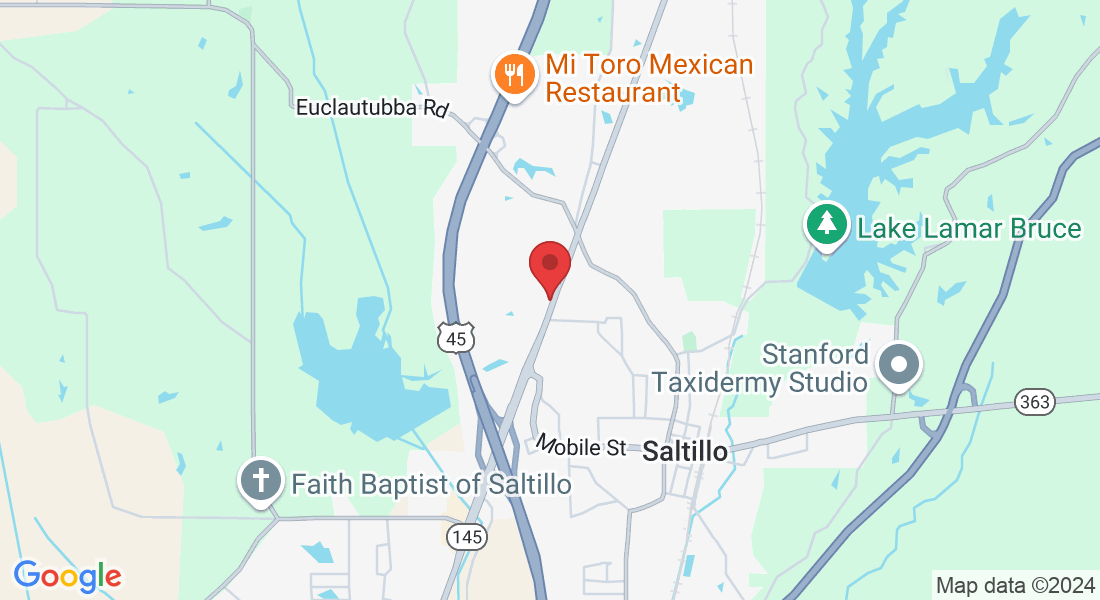
2309 Highway 145 Saltillo, Mississippi
38866
Office:
2309 MS-145, Saltillo, MS 38866
Call
(662) 397-2201
Email: [email protected]
Site:
www.cornerstonelandscapers.com